Patients routinely ask me: "Can I get a copy of my X-rays?" The answer is yes — always yes. But the reality of how to get them is often a frustrating multi-day ordeal that discourages most people from ever trying.
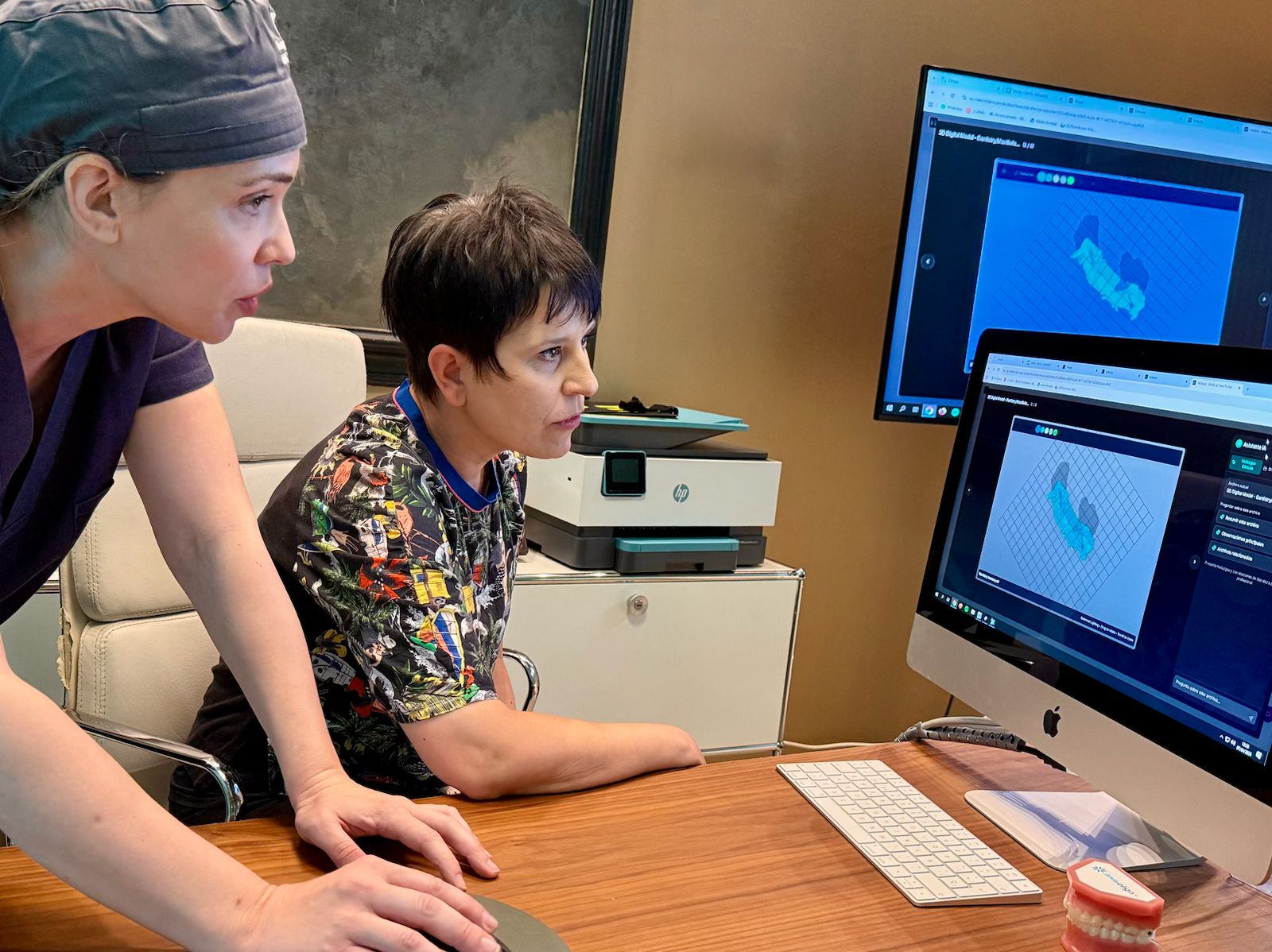
This guide explains your legal rights to dental records, what the process looks like today, and what a better system looks like.
Your legal right to dental records
Under the Health Insurance Portability and Accountability Act (HIPAA), you have the right to access your own dental records. This includes:
- Dental X-rays (2D periapical, panoramic, bitewing)
- 3D CBCT cone beam scans
- Intraoral photos
- Treatment plans
- Clinical notes and visit records
- Lab reports (bite registrations, impressions, etc.)
The dental clinic is required to provide you with these records within 30 days of your written request. They may charge a reasonable copying fee.
The reality: why most patients never access their records
Despite the law, the practical experience of requesting dental records looks like this:
- Call the clinic. Often during business hours only.
- Submit a written request. Sometimes a form, sometimes an email, sometimes you have to come in.
- Wait. Anywhere from "we'll get to it" to the full 30-day legal maximum.
- Receive the records. Usually a CD, USB drive, or a printout of 2D images. 3D CBCT data is rarely included without extra negotiation.
- Try to open the files. The CD often requires proprietary software you don't have.
For patients who are switching dentists, moving cities, or seeing a specialist — this process creates real delays in care. Specialists can't start treatment planning without imaging. New dentists start from scratch rather than building on existing history.
What information is in your dental records?
Your complete dental record includes more than most patients realize:
Radiographic records:
- Periapical X-rays (individual tooth images)
- Bitewing X-rays (cavity detection between teeth)
- Panoramic X-rays (OPG — full jaw overview)
- CBCT 3D scans (for implant planning, surgical procedures, complex cases)
Clinical records:
- Periodontal charting (gum health measurements)
- Treatment plans and consent forms
- Visit notes and clinical observations
- Medication and allergy records
Restorative records:
- STL files for crowns, veneers, or aligners planned with digital design software
- Impression records
- Lab communication records
All of this belongs to you. The clinic stores it on your behalf, but your right to access it is absolute.
Why this matters for your care
There are several situations where having your dental records immediately accessible directly affects the quality of care you receive:
Dental emergencies while traveling. If you have a dental emergency away from your home city, an emergency dentist needs your history — allergies, existing conditions, previous X-rays. Without it, they're treating you blind.
Specialist referrals. Your dentist refers you to an oral surgeon or periodontist. The specialist needs your full imaging to plan treatment. Every day they wait for files is a day your treatment is delayed.
Second opinions. Patients have an absolute right to a second opinion. Getting one requires transferring your records — and most patients don't bother because the process is too hard.
Changing dentists. Moving or switching providers means starting over unless your records transfer. Most clinics will send records to another clinic, but it requires initiating the request and waiting.
How HISTORA changes this
HISTORA takes a different approach: your dental records are yours from the moment they're uploaded.
When your clinic uses HISTORA, your X-rays, treatment plans, and clinical records are stored in a patient-accessible portal. You can:
- View your X-rays (including 3D CBCT scans) in your browser — no software needed
- Download your files at any time
- Share a secure link with any dentist or specialist, instantly
- See your complete treatment history from any device
The specialist who needs your CBCT doesn't wait for a CD in the mail. You send them a link from your phone.
Requesting your records without HISTORA
If your clinic doesn't use HISTORA, you can still request your records. Here's how:
- Contact your clinic in writing. Email is sufficient. State clearly that you are requesting your complete dental records including all radiographic files.
- Ask for digital files. Request your X-rays in digital format (DICOM or JPEG). Printed X-rays lose significant diagnostic quality.
- Request DICOM format for 3D scans. If you've had a CBCT scan, specifically request the DICOM data — not just screenshots.
- Know the timeline. HIPAA requires a response within 30 days. Clinics often respond faster.
- Ask for a copy for your next provider. Frame the request as "I need these for a referral" — clinics process these faster.
A word on HIPAA limitations
HIPAA applies to dental clinics that are "covered entities" — meaning they transmit dental health information electronically as part of insurance billing. The vast majority of dental practices are covered. However, some cash-only practices in some states operate outside this definition. In those cases, state dental board regulations govern record access rights.
Most states have laws that equal or exceed HIPAA's patient access protections. In no state is a dental clinic permitted to permanently deny you access to your own records.
If your clinic isn't on HISTORA yet, ask them to join — we'll handle the outreach. Or Start Using Histora to see what patient-accessible dental records look like.